Eighteen extensions had „squeaky clean" code for years, until a version update turned them into dangerous trojans without users having to do anything. Security researchers warn that more than 2.3 million users have been compromised, but many other extensions are lying in wait.
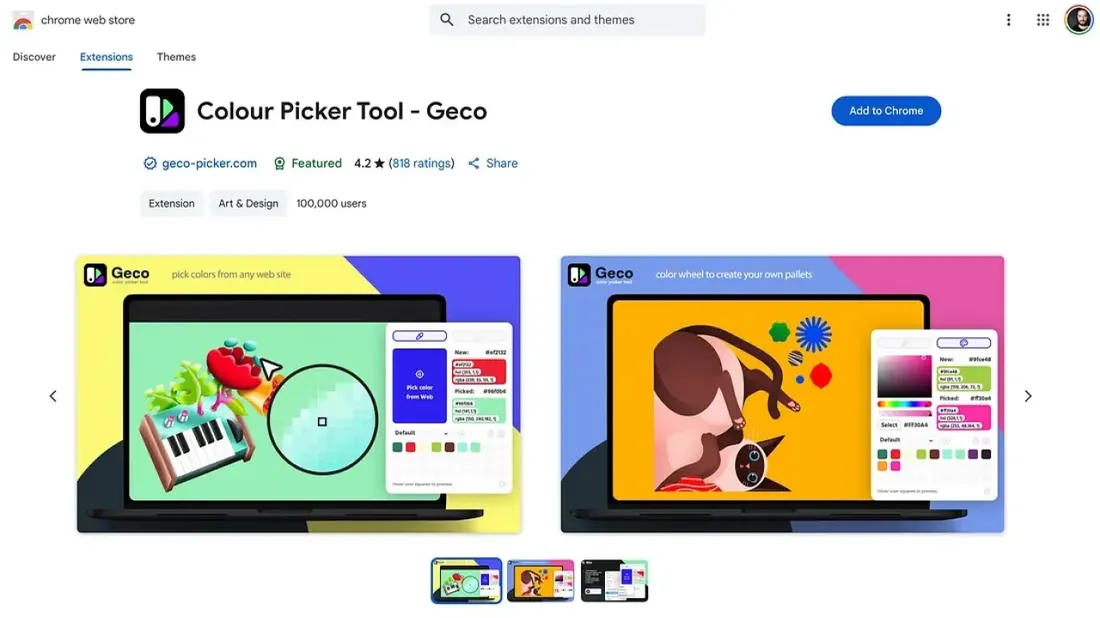
Before it turned malicious, one of the extensions carried a Google-verified badge, had more than 800 reviews and was featured prominently in the Chrome Web Store.
Koi Security researchers warn that the „Color Picker, Eyedropper – Geco colorpick" extension is also one of the eighteen recently updated with dangerous code. „It's a carefully crafted Trojan horse that delivers exactly what it promises (a working colour picker) while simultaneously hijacking the browser, tracking every website visited and maintaining a persistent command-and-control backdoor," the researchers said.
The sophisticated attack series, dubbed RedDirection, infected more than 2.3 million Chrome and Edge users, making it one of the largest browser hijacking operations.
None of the affected extensions were malicious from the start. They were popular productivity or entertainment tools, such as emoji keyboards, weather forecasts, video speed controllers, volume boosters, YouTube unblockers, dark themes and so on.
„Thanks to Google's and Microsoft's browser extension update processes, these malicious versions installed automatically and silently," the report explains.
„They didn't need to rely on phishing or social engineering. They were simply trusted extensions that became surveillance malware through a quiet version bump."
The attacker successfully exploited big tech companies' platforms to spread the malware widely, while the review processes failed to filter out the malicious changes.
What does this trojan do?
The malware secretly activates on every new page visit and monitors activity in the background. The attackers' aim is to redirect users to malicious websites, which may even be phishing pages imitating the originals.
The malware records the original URL of each website visited, sends it with a unique identifier to a remote attacker-controlled server, and the command server returns a redirect URL. When instructed, the compromised extension automatically redirects the user to the malicious page, which can cause further damage.
Meanwhile, all eighteen rogue extensions do what they promise: pick colours, control video speed, boost volume and so on. The attackers can exploit this „man-in-the-middle" position at any time: for example, when the user receives a Zoom invite, they can redirect them to download a fake „critical Zoom update", or to a perfect copy of the bank login page to harvest credentials.
Each extension ran on different domains, as if separate developers were behind them, but in reality they all used the same central attack infrastructure.
Koi Security researchers urge immediate removal of the following extensions from Chrome and Edge:
Chrome:
- Emoji keyboard online – copy&paste your emoji
- Free Weather Forecast
- Video Speed Controller – Video Manager
- Unlock Discord – VPN Proxy to Unblock Discord Anywhere
- Dark Theme – Dark Reader for Chrome
- Volume Max – Ultimate Sound Booster
- Unblock TikTok – Seamless Access with One-Click Proxy
- Unlock YouTube VPN
- Color Picker, Eyedropper – Geco colorpick
- Weather
Edge:
- Unlock TikTok
- Volume Booster – Increase your sound
- Web Sound Equalizer
- Header Value
- Flash Player – games emulator
- Youtube Unblocked
- SearchGPT – ChatGPT for Search Engine
- Unlock Discord
Further protective steps include clearing browser data to remove stored malicious links and tracking IDs, running a full system scan to detect further infections, and keeping a closer eye on your accounts for suspicious activity.
The researchers recommend that all users review every installed extension and remove unwanted add-ons. Watch out for suspicious behaviour – even a previously trusted extension can pass to another developer and turn malicious with a single update.
Although the harmful extensions appear to have been removed from the stores, some attacker-controlled domains listed in the report are still active and advertising malicious tools.