Critical PHP vulnerability: magyarorszag.hu also went offline
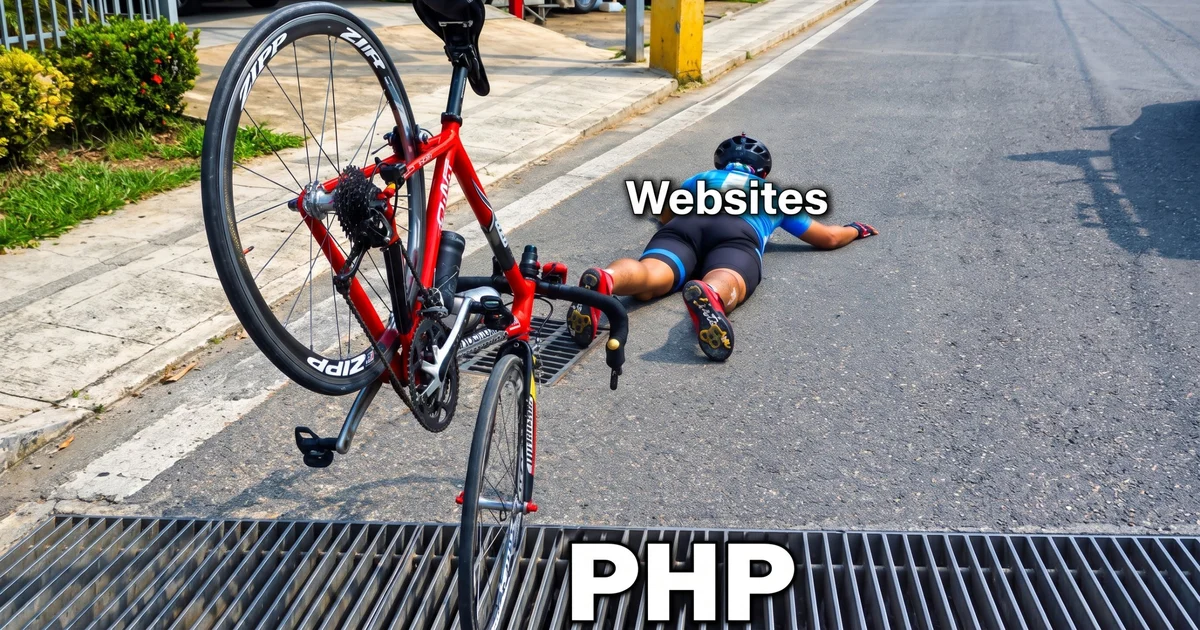
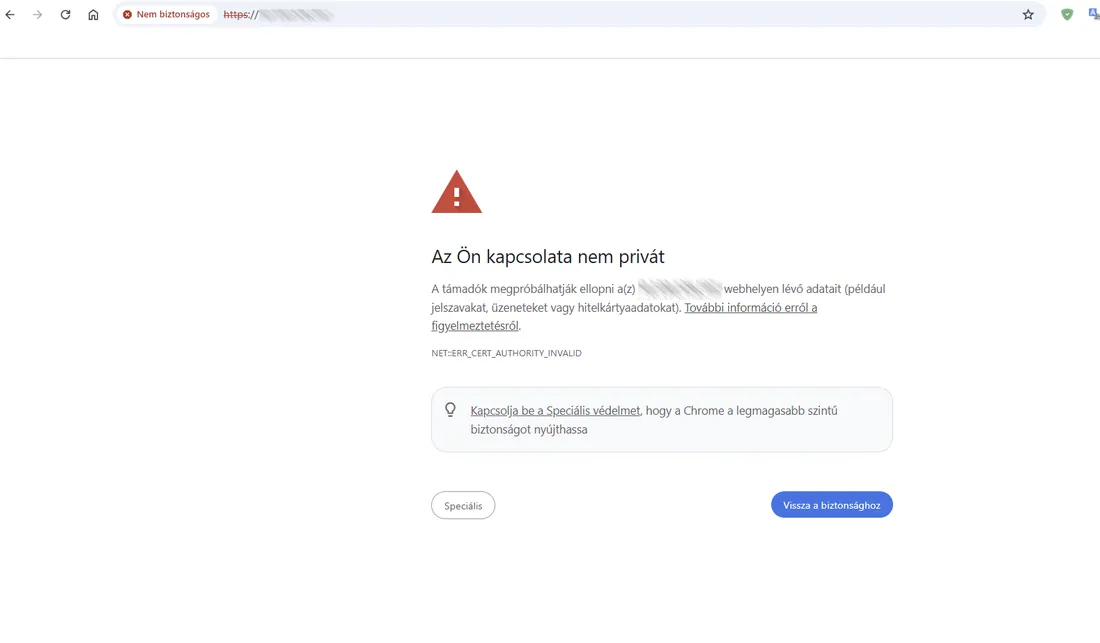
Because of two critical security flaws, an urgent update was released on 21 October for PHP, the programming language that powers most of the world's websites. Attacks began almost immediately, and thousands of websites worldwide had to be taken offline temporarily – including the magyarorszag.hu Hungarian government's e-administration portal. That shows how serious the problem is.
What happened?
PHP's developers announced on Tuesday, 20 October, that an urgent update was coming, but gave no technical details. The fixes appeared a day later, on the afternoon of 21 October. The two flaws were assigned CVE-2026-109618 and CVE-2026-109619, with a severity on the 10-point scale of 9,2. Some experts refer to them together simply as „PHP2Shell".
The flaws affect core parts of PHP used by almost every request, and can be exploited remotely without logging in. According to a warning from Hungary's National Cyber Defence Institute (NKI), especially at risk are mod_php Apache servers running this module, where a single HTTP request can trigger the attack before the website's own code even runs.
How fast did the attackers move?
According to Cloudflare's CEO, they saw thousands of exploit attempts as early as 10 hours before the announcement, tens of thousands 45 minutes after, hundreds of thousands two hours later, and now millions. That's why many companies and public bodies – in Hungary including the operator of magyarorszag.hu – decided to take their services offline until they could update.
Why is this so worrying?
An estimated 70+ percent of websites run on PHP, including WordPress sites. According to VirusTotal, PHP runs on around 5.1 million internet-facing IP addresses, of which at least 758,000 use an outdated, unsupported version. Cisco Talos estimates that about half of affected systems are on such old versions – many of which will probably never get the fix.
AI found it – two years later
The odd part of the story is that signs of one of the flaws were noticed back in 2024, but nothing substantial was done. This year, AI-based code analysis tools – including solutions from Anthropic and OpenAI – brought the problem back to the surface. A researcher officially reported the flaw on 11 August, and OpenAI, Wiz and Trail of Bits also found it independently. The fix dragged on because possible solutions could have broken backward compatibility and affected many third-party PHP extensions. Making matters worse, a working proof-of-concept video leaked early.
What should you do now?
- Update immediately. The patched versions: 8.5.12, 8.4.27, 8.3.36 and 8.2.35. Anything older isn't safe.
- If you have an old PHP (7.4, 8.0 or 8.1), it's an unsupported version. Only an emergency patch was made for these, so it's best to move to a supported release as soon as possible. According to PHP's developers, unpatched servers running old versions should rather be shut down.
- Ask your hosting provider. On shared hosting, PHP is usually updated by the provider – ask whether it's been done yet, and check in your hosting control panel which version your site runs on.
- Review the logs. If your site ran on unpatched PHP in recent days, it's worth reviewing the server logs and website files for suspicious changes.
- Update everything else too. For WordPress sites, the core, the theme and the plugins too – an attacker always looks for the weakest point.
Summary
It's rare for a single flaw to bring down government portals and thousands of websites at once. This case also shows that a website isn't a „finished product": the software behind it needs regular updating and monitoring.
If you're not sure your website runs on a secure PHP version, or you need help updating, feel free to get in touch – I'll check it and sort it out.