Chrome will only open secure websites in the future
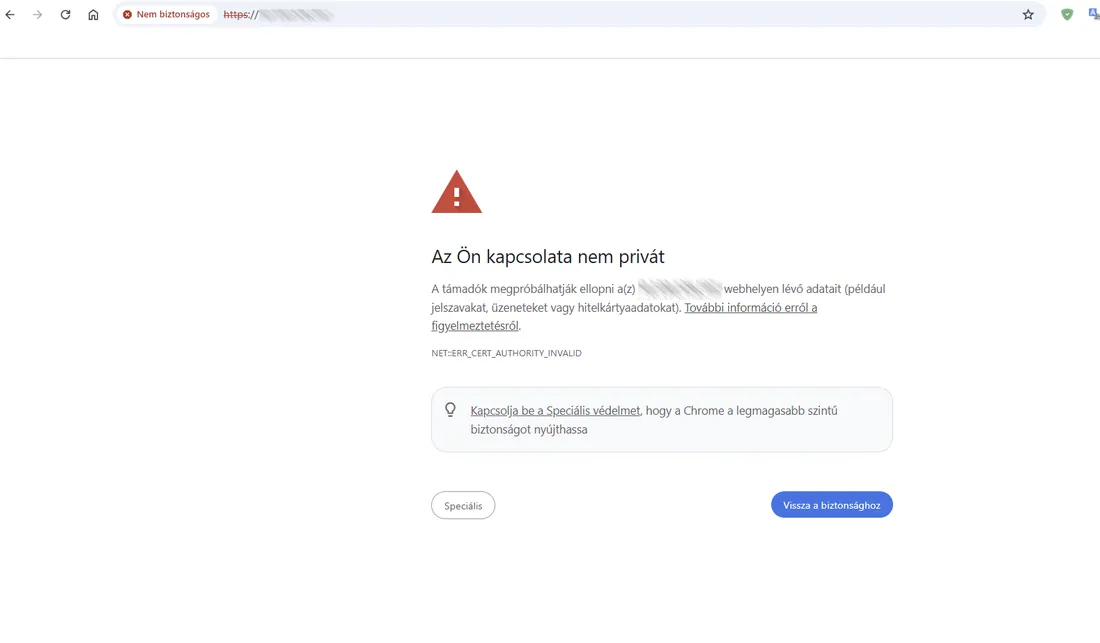
From next year, the Chrome browser will introduce a very significant change to itself, and with it to how most of the web works – Google announced this week. Under this, the software will primarily try to reach websites over HTTPS, and won't readily open sites that communicate over „plain" HTTP without encryption and authentication.
HTTPS (HyperText Transfer Protocol Secure) is the secure version of HTTP, providing an encrypted and authenticated connection between the user's browser and web servers. This prevents third parties from eavesdropping on, modifying or forging data on the internet through so-called man-in-the-middle (MITM) attacks.
Although most websites have supported HTTPS for many years, some are still reachable over plain HTTP too. Moreover, in certain cases attackers can trick browsers into believing that the servers they want to reach don't support HTTPS, forcing them onto HTTP, so they can monitor or even manipulate the content received.
Under the new announcement, this loophole will soon close, because Chrome simply won't open websites reachable only over HTTP. Instead, it will show the user a warning drawing attention to the fact that the connection isn't secure and to its dangers.
Users will still be able to force the browser to load the page, but it will take an extra step.
Similar behaviour could, incidentally, be enabled in Chrome for almost five years via the so-called HTTPS-First mode, but from now on it becomes the browser's default. Some users can expect the change in a first wave in April 2026, and from next autumn the stricter rule will be activated for all Chrome users.