Apple gives spyware developers a hard time: a major innovation arrives in iPhones
Eavesdropping on journalists and politicians will get harder, as Apple has built a serious security innovation into its new phones.
On Tuesday evening (Hungarian time), Apple unveiled its new iPhone models. Most of the information about the devices had leaked months earlier, including about the super-thin iPhone Air, but one thing wasn't even mentioned at the launch – although it's quite a big change for the security of Apple's smartphones.
As BGR explains, Apple already published a research report on Monday about a feature called Memory Integrity Enforcement (MIE), meant to increase iPhone security – primarily against spyware.
According to the company, it worked on this capability for five years and considers it „the most significant upgrade to memory safety" in the history of operating systems. The feature is in every iPhone unveiled this year and, as its name suggests, only lets trusted code run in memory, so malicious code will fail.
In plain English: getting into iPhones with spyware will be much harder.
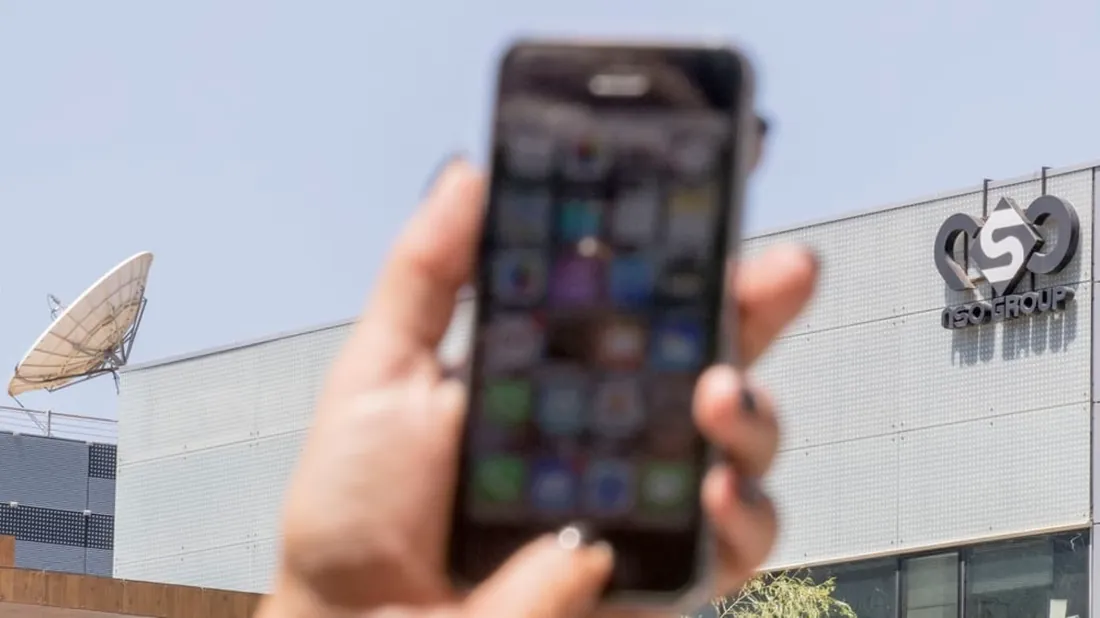
Although iPhones are considered secure, spyware developers have found gaps in the shield several times in recent years. One example is Pegasus, developed by NSO Group, which may also have been deployed in Hungary.
According to Apple, advanced spyware can take control of an iPhone because it can exploit „memory safety vulnerabilities". MIE aims to make exploiting these impossible.
It has been tested since 2020 and developed further based on the experience, until it now appears in the iPhone 17 series and the iPhone Air. How durable it will be remains to be seen – after all, it's quite likely that spyware developers won't fall on their swords at the news and look for other work.